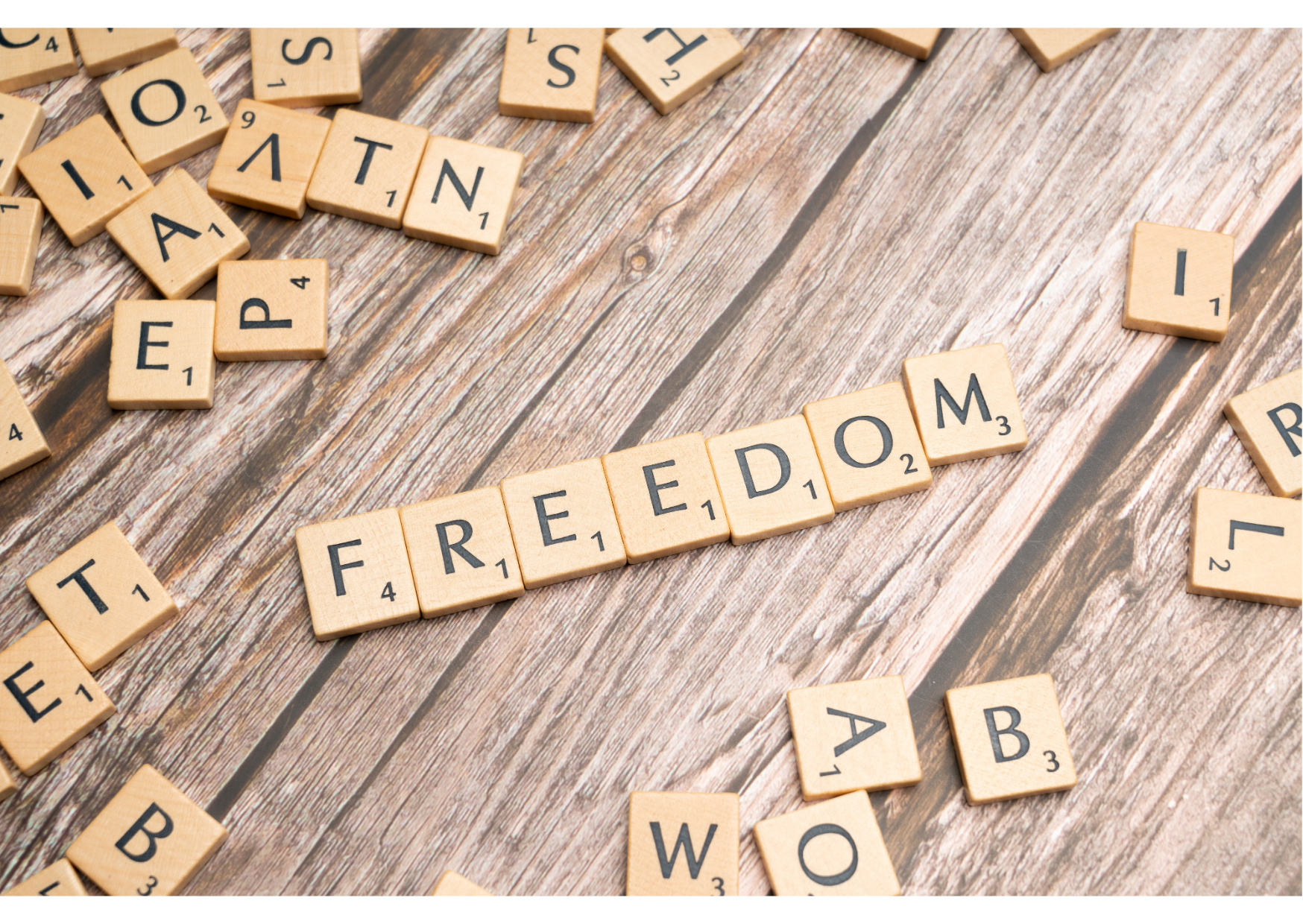
Some time has passed since December 6, Finland’s Independence Day. Even now, after living in Finland for some time, it still surprises me how important this day is to all people, both Finns and internationals.
This year, I spent the whole afternoon at the Multicultural Independence Day event organised by Moniheli’s member associations. The event was organised by people like me—internationals who have adopted Finland as their new home country. There were wonderful performances representing the art of different countries and continents. We heard touching speeches, sang the Finnish anthem, and paid respect to the Finnish national flag.
And even though I am rarely proud of any nation, or more likely not particularly feeling anything special towards Slovakia or towards Finland, I was truly moved when seeing the chosen Finnish flag bearer, people of different backgrounds united by singing the anthem. I have no strong nationalist ideas, and I am struggling to comprehend the cultural background I should be proud of.
But I am indeed proud of certain historical events during which my country showed resilience. One example is the Velvet Revolution of 1989 and the end of communism in the former Czechoslovakia. This is perhaps what Finnish people feel when celebrating Independence Day.
It is normal to greet people the day before or on the 6th of December with “Have a good Independence Day!” Something unimaginable in Slovakia. Slovak Independence Day is on January 1st. Everyone is wasted after the New Year celebration, and the fact that it is our Independence Day is mentioned only in the annual speech of the president. But who is even listening?
While the Finnish independence was fought for, the Slovak one was decided. Two brother nations of Czechs & Slovaks, or most accurately, the political leaders of the two nations at that time, decided that the marriage was over. Prime ministers signed the papers, and the federation fell apart. We were not even asked if we wanted this, so our relationship with the Slovak independence is more or less nonexistent.
Of course, you have nationalist parties and people who proudly beat their chests and shout things like “We are at home here!” and “I am Slovak, who is more?” But if you ask the same people when the Slovak Independence Day or the Day of the Slovak constitution is, they would not know. It is not about feeling proud, but more about feeling superior.
Drawing Slovak flags with the children from kindergartens to the primary schools, decorating the windows, and having a celebration in the school, that is something I can not imagine in Slovakia. And while we are also very quick in criticising our own country, the Finns are very reluctant to do so.
What I wanted to say is that despite my personal preference of being many things, but a nationalist, I respect the Finnish way of celebrating the country’s independence a lot. But it seems like the independence must be fought for to be appreciated.
And this is the message I want to stress – the democracy must be fought for, the independence must be fought for. Otherwise, when given or imposed, people have nothing to celebrate and nothing be proud of.
