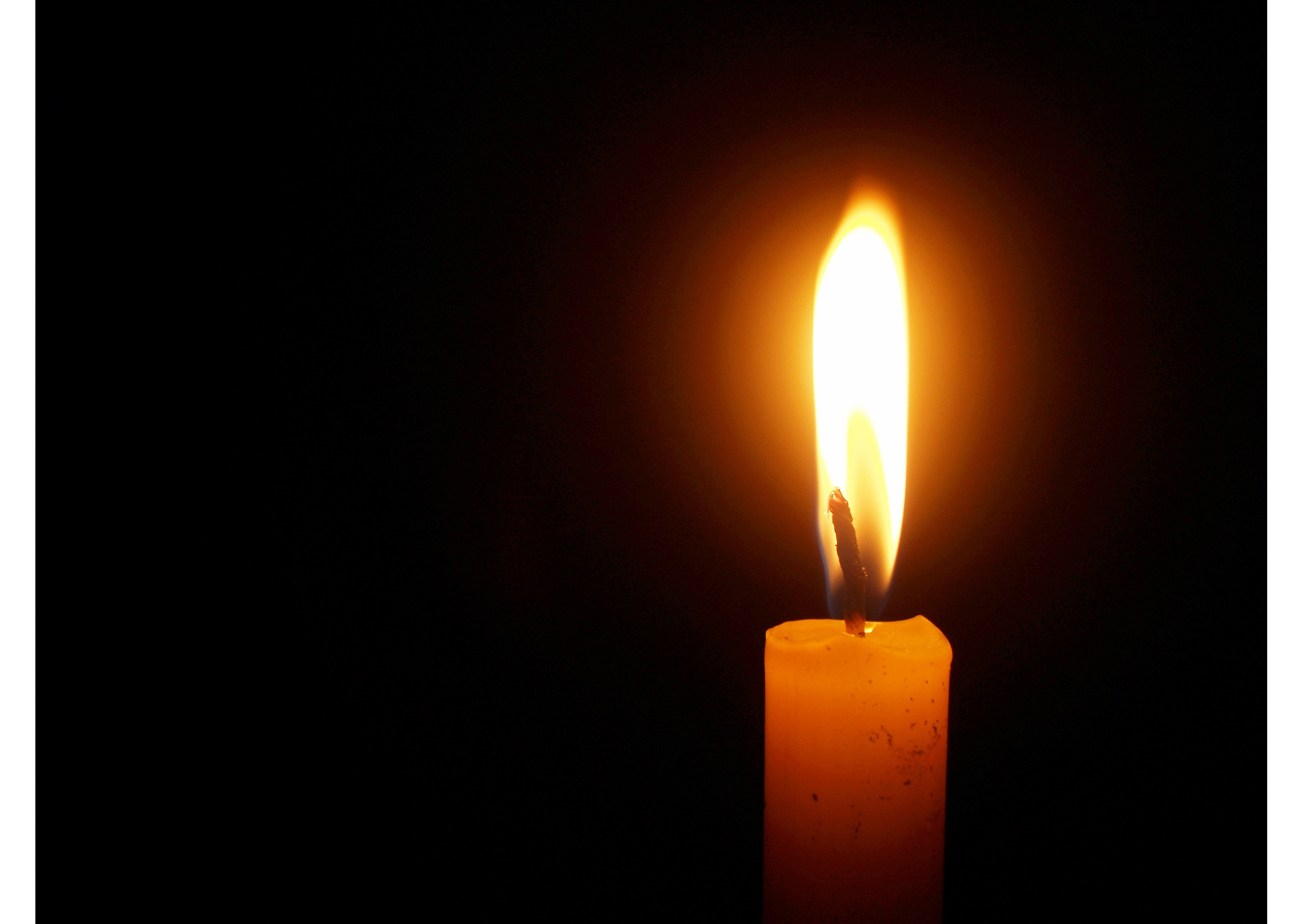
The 1st of November is considered a special day (not only) in Slovakia. While in many countries, people celebrate Halloween the night before, for us, it is a sadder day. We remember our loved one who passed away. The cemeteries are usually full of people who decorate the tombs and light the candles.
For me, the 1st of November has always felt magical when walking through the cemetery, surrounded by lights and a sense of connection. People seem more gentle and dignified, perhaps because death brings quietness and encourages reflection. Yet, our generation often avoids discussing death, feeling awkward when faced with it.
When I was a child, the municipal cemetery was about 700 m from our place. Walking through the cemetery was a shortcut when going to downtown or even to my high school. I did not know at that time how lucky I was, as we did not really have anyone pass away. All my grandparents were alive, and we visited the nearby cemetery just for the atmosphere. We wanted to be a part of the tradition, and we usually lit some candles on the graves of unknown soldiers. For many years, that was my only contact with death and the 1st of November tradition.
As time went on, we lost both my grandfathers as well as my uncle, who died very young in a coal mine accident. Suddenly, there was no time to visit the graves of soldiers, because we had our loved ones buried and we wanted to visit their graves instead. My childhood friend died at 17, our neighbour’s son at 18. Out of nowhere, there were more and more people to whom we could light the candles and remember them.
I was fortunate enough that both my grandmothers were with me till my adulthood. One of them passed away when I was 32, the other one when I was 41. My beloved mom, unfortunately, left us sooner than her mom, a little before I reached 41. Our kids could not travel with me to her funeral, because it happened during the COVID pandemic. I had enough difficulties to travel myself, so the concept of death, saying goodbye to your close ones, or what the funeral means it’s yet unknown experience to them.
Whenever travelling to Slovakia, one of my first steps leads to the cemetery. I feel this urge to go. To bring flowers and candles, to clean the tombstone, and spend a moment in silent remembrance. Or just let it go and cry.
And even if this might feel like a long introduction, I am getting to the point. The tradition matters. Throughout our childhood, we have been practising traditions. We might like some of them better, and we might not fully understand some others, but traditions connect us to our roots, family, and culture.
When you move abroad, you bring your traditions with you. As an adult, you can also choose what traditions are good to keep and which are better to avoid. My family never celebrates Easter alá Slovakia, as I found it disrespectful towards women and overall crazy.
There are also traditions that you can’t practise, e.g., the recent 1st November. We can light the candles at home, but naturally, we don’t visit the cemetery. Passing this tradition on to our children has its limits. On occasion, it makes me a bit sad. Perhaps once they grow up, they will choose how they want to pay homage to their close ones, and we can only make sure, we will be worth it.
